Acne is often associated with the teenage years, but many adults continue to experience acne well into their 20s, 30s and beyond. Adult acne may affect the face, jawline, chest or back, and can vary in severity from occasional breakouts to more persistent inflammation.
As there are different causes of adult acne, management should be tailored to the individual. A consultation with a doctor can help determine the underlying factors contributing to acne and discuss the available management options.
What Causes Adult Acne?
Several factors may contribute to the development of adult acne, including:
Hormonal Changes
Hormonal fluctuations can increase oil (sebum) production, which may contribute to acne. This is commonly seen around the menstrual cycle, during pregnancy or in certain medical conditions.
Excess Oil Production
Sebaceous (oil) glands naturally produce oil to help protect the skin. In some individuals, increased oil production may contribute to clogged pores and acne.
Clogged Hair Follicles
Dead skin cells and excess oil may accumulate within hair follicles, creating an environment where acne lesions can develop.
Bacteria
The skin naturally contains bacteria, including Cutibacterium acnes. Under certain conditions, these bacteria may contribute to inflammation associated with acne.
Genetics
A family history of acne may increase an individual's likelihood of developing acne.
Lifestyle Factors
Some individuals may notice that factors such as stress, inadequate sleep or certain cosmetic products coincide with acne flare-ups. These factors may vary from person to person.
Is There a Single Treatment for Adult Acne?
There is no single treatment that is suitable for everyone with acne. The management of acne depends on several factors, including:
- The type of acne lesions present
- The severity of acne
- Whether acne scarring or pigmentation is present
- Previous treatments that have been used
- Individual medical history and skin characteristics
A doctor may recommend one or more treatment approaches depending on the individual's clinical assessment.
What Are Some Options for Managing Acne?
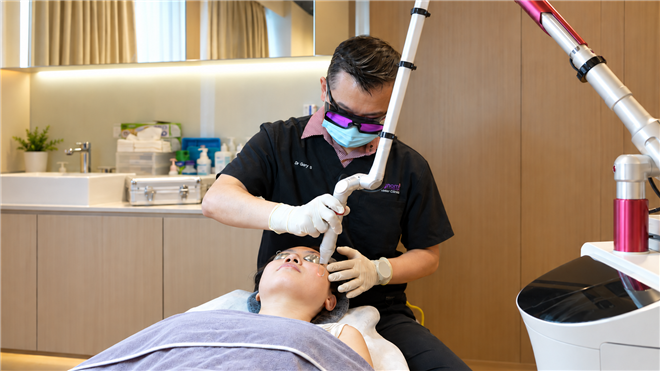
Depending on the individual's condition, management options may include one or a combination of the following:
Topical Medications
Prescription creams or gels may be used in selected patients to help manage acne.
Oral Medications
For some individuals, oral medications may be considered where clinically appropriate.
Chemical Peels
Certain superficial chemical peels may be used as part of an overall acne management plan in selected patients.
Laser-Based Treatments
Laser-based treatments may be considered in selected individuals as part of an overall management plan for acne or acne-related skin concerns. The suitability of laser treatment depends on factors such as the type of acne, skin condition and clinical assessment.
Your doctor will discuss whether a laser-based treatment is appropriate and explain the potential benefits, limitations and possible risks.
What About Acne Marks and Pigmentation?
After active acne improves, some individuals may continue to experience post-inflammatory pigmentation or changes in skin texture.
The management approach depends on the underlying cause. Your doctor will assess whether these changes are related to pigmentation, scarring or another skin condition before discussing the available treatment options.
When Should You See a Doctor?
You may wish to seek medical advice if:
- Acne is persistent or worsening.
- Over-the-counter products have not been helpful.
- Acne is leaving scars or pigmentation.
- Acne is causing discomfort or affecting your quality of life.
- You are uncertain about the underlying cause of your skin condition.
Early assessment may help ensure that an appropriate management plan is considered based on your individual needs.
Frequently Asked Questions
Can laser treatment cure acne?
There is no single treatment that cures all types of acne. Laser-based treatments may be considered in selected patients as part of an overall management plan. Your doctor will advise whether this approach is appropriate for your condition.
Will one laser treatment be enough?
The management plan varies between individuals. Your doctor will discuss the available options after assessing your skin and clinical condition.
Can adult acne return?
Adult acne may recur, particularly if the contributing factors remain present. Ongoing skin care and follow-up, where appropriate, may form part of long-term management.
Learn More
Adult acne can have multiple contributing factors, and the most appropriate management approach varies from person to person. If you have concerns about acne or acne-related skin changes, a consultation with a doctor allows for an assessment of your skin and a discussion of the available management options that may be suitable for your individual condition.
Discover Radiance: The Art of Korean Aesthetic Medicine
반짝이는 아름다움을 발견하다: 한국 미용 의학의 예술
📞 6536 8393 | 9727 8421
📍 One Raffles Place, 05-10/11, Singapore 048616
Have questions? Get in touch with us